Speeches are the part of the day guests quote back to you years later. They are also the part most likely to drift, double up or land at the wrong moment. Getting the order right is not about etiquette for its own sake. It is about giving each person a clear place to stand so the room stays with them.
Here is the traditional running order, a modern version that suits most Australian receptions, and the timing that keeps the whole block feeling generous.
The traditional wedding speech order
The classic order came from a time when the bride's father hosted and paid for the day. It still works, and plenty of families like it because everyone knows what is coming.
1. Father of the bride
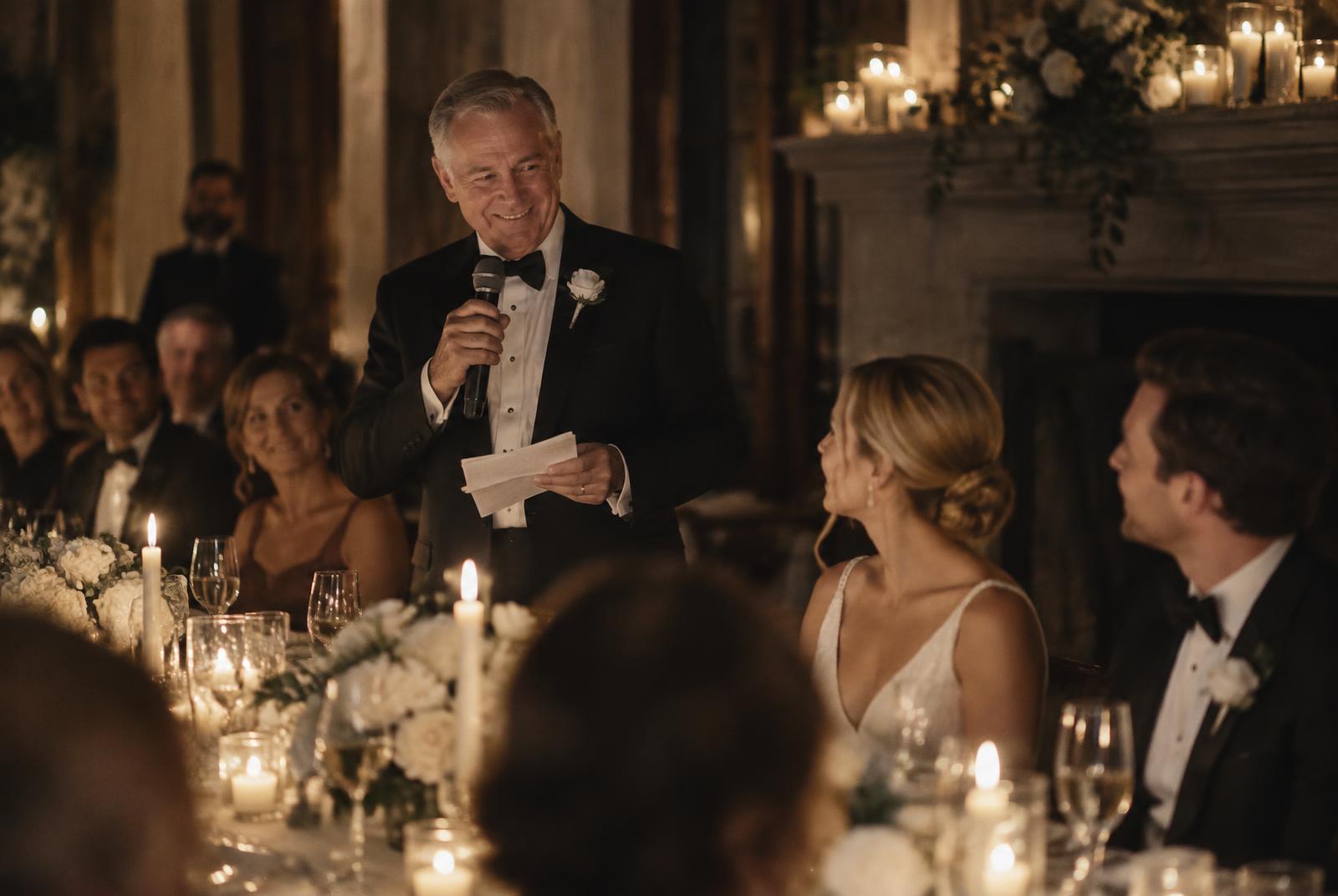
He welcomes the guests, says something about his daughter and formally hands her to the couple. Traditionally he finishes with a toast to the newlyweds.
2. The groom
He replies on behalf of the couple, thanks both sets of parents, the wedding party and the guests who travelled, then toasts the bridesmaids.
3. Best man
He responds on behalf of the wedding party, tells a story or two and reads any messages from people who could not be there.
Under that order the bride does not speak at all, which is why most couples now change it.
A modern order that works for most receptions
This is the version we see most often now, and it holds a room well.
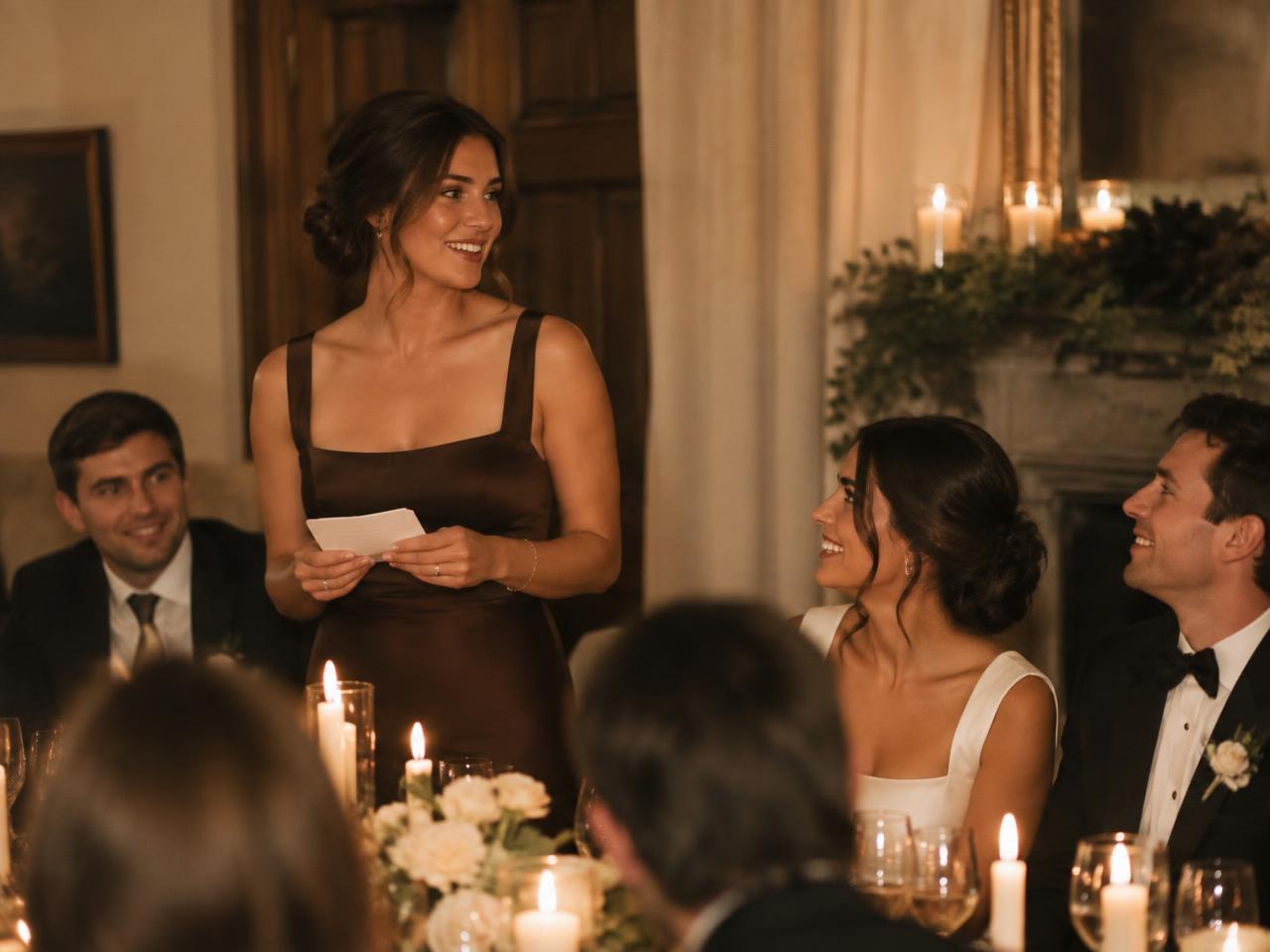
1. A welcome from whoever is hosting, often a parent or the couple themselves 2. Parent or parents of one partner 3. Parent or parents of the other partner 4. Maid of honour 5. Best man 6. The couple, together or one after the other, closing the night
Two things make this version work. The parents go early while the room is still fresh, and the couple speak last so the final words of the night are theirs. Closing with a thank you from the two of you is a much warmer ending than a best man story.
How many speeches is too many
Five is comfortable. Six is the ceiling. Past that, guests stop listening and start checking their phones, which is unfair to whoever is speaking seventh.
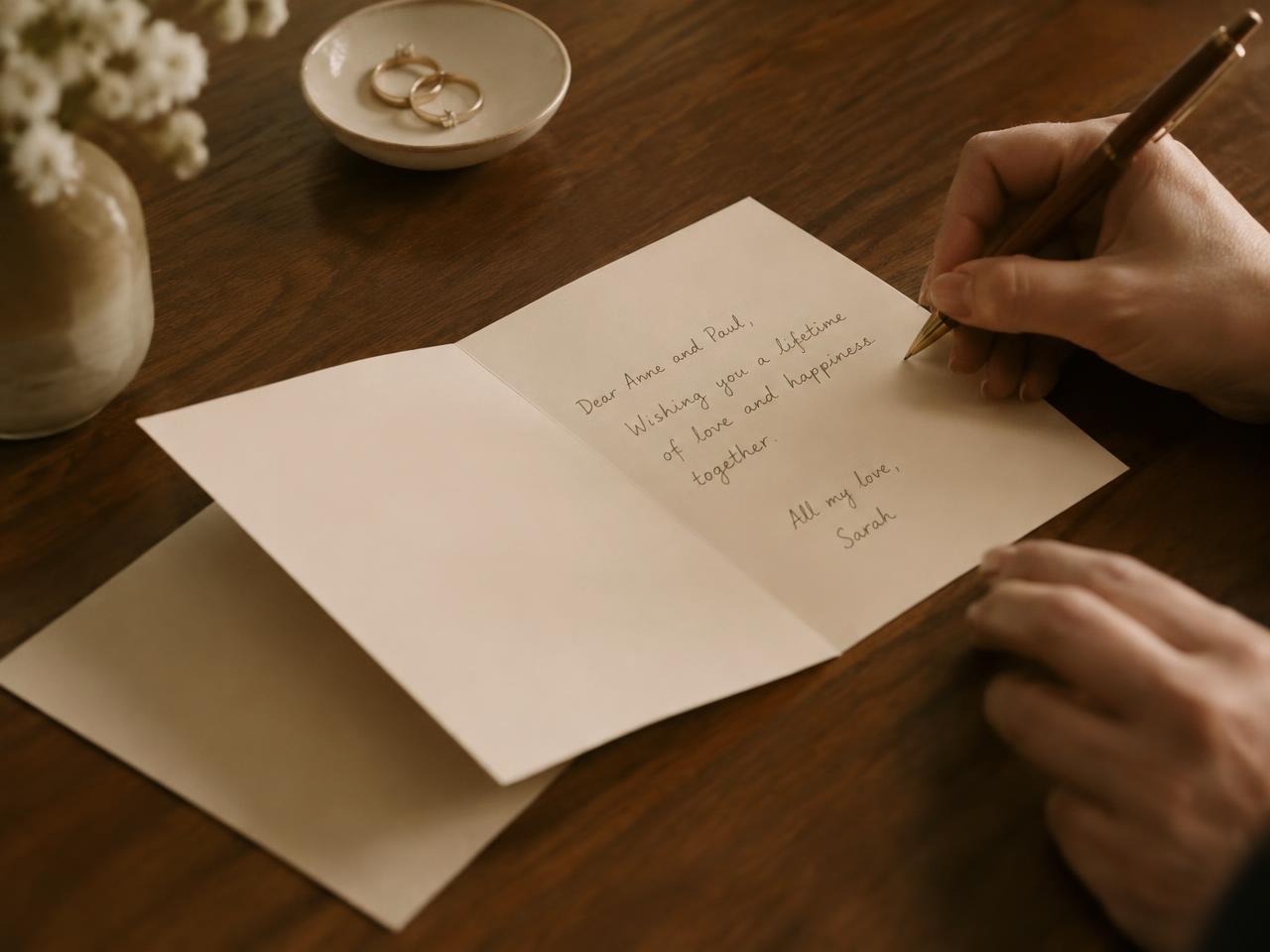
If more people want to say something, give them another way to do it. A short open mic at the welcome dinner, a video message played during dessert or a written note at each place setting all carry the same affection without adding another twenty minutes to the reception.
How long each speech should be
Three to five minutes each. The couple can take a little longer because they are thanking everyone.
Five speeches at four minutes is twenty minutes of talking, and with applause and settling between each one you are looking at close to half an hour. That is the real number to plan around. Tell each speaker the time limit when you ask them, not the week before the wedding. People write to the brief they are given.
When in the night should speeches happen
Three options, and each changes the feel of the evening.
Spread across the courses. One speech between entree and main, one or two between main and dessert, the rest after. Nobody has to sit still for half an hour and your caterer gets clean gaps. This is the safest choice for a seated dinner.
All before the meal. Guests are sober, attentive and still in their seats. It is the best option if you have older relatives speaking or a room that tends to wander. The risk is that dinner starts late.
All after dessert. Emotional, relaxed and usually funnier. It also runs the highest chance of overrunning into the dancing, so only do it if your speakers are disciplined.
Whichever you choose, put the speeches before the dancing. Pulling people off the floor and back into their seats never quite works. If you are still mapping out the evening, our wedding timeline guide shows where the speech block usually sits.
Small things that make the block run well
Give each speaker a named slot in writing, so nobody is waiting to be waved up. Ask your MC or celebrant to introduce each person by name and relationship, which saves the speaker their first thirty seconds. Have one microphone in one spot rather than passing it around a table. Keep water on the head table.
Tell your speakers who is on before them and what that person is likely to cover. It is the simplest way to avoid two people telling the same story about the same holiday.
The people who will not get a microphone
Even a well run speech block only gives the floor to five or six people. The grandmother who taught you to cook, the friend who drove eleven hours to be there, the aunt who has never missed a birthday: they are all in the room, and none of them will be named.
That is the gap wordthy was built for. You tell us what each person means to you, we turn it into a written message and it waits for them at their seat. Everyone who matters gets their moment, not just the ones holding the microphone.
If you are still writing your own part of the night, our guide on how to write a wedding speech walks through structure, openings and what to cut.